How Long Can A Cat Live With A Nasal Polyp
Nasal polyps or nasopharyngeal are most commonly found in younger cats under two years of age. False diagnosis can occur so if you have concerns double-check with.

What Are Polyps And How Are They Treated In Cats Vet Help Direct
Just breathing for them can be an everyday labouring struggle.

How long can a cat live with a nasal polyp. The cause of nasopharyngeal polyps is not known. Epub 2016 May 17. If left untreated or as the disease progresses tumors may completely obstruct the nasal cavity making it impossible for your animal to breathe normally through its nose.
If the polyp has extended into the ear signs may include pawing at the ear head shaking head tilt or discharge from the ear. The results of irradiation on nasal tumors have not been studied extensively. When a cat has a discharge from its nose that lasts more than 2 months it is considered chronic.
The polyps obstruct the passage of air so affected cats usually develop a distinctive snorting sound as they breathe. The type of polyp that occurs in the ears and nose of a cat is an inflammatory polyp- this means it is composed mainly of fibrous tissue and inflammatory cells. They may be the remnants of a fetal structure that does not fully regress or they may be induced by chronic inflammation such as viral or bacterial infections.
Life Expectancy Survival and Prognosis Prognosis varies by case but the median survival time for cats after advanced radiation therapy ranges from 6-18 months depending on the type of cancer and how early it was treated. Surgery alone holds a 3-6 month median survival time. While we do not know the underlying cause of polyps in cats there are several theories.
The vet said the possibility of nasal polyps is possible but highly unlikely due to his age at only 5 months old. Studies reveal that carcinomas in the nasal cavity treated with surgery have resulted in an average survival time of only two to five weeks. After all it affects so many aspects of their.
Younger cats seem more likely to develop nasal polyps than older cats. In the nansopharanx the polypa benign superficial growth that is anchored to the inflamed tissue by means of a slender stalkwill continue to grow over a period of months until it starts interfering with the affected cats intake of air. This may result in permanent changes that leave the nasal cavity susceptible to long-term recurrent secondary bacterial infection.
Some affected cats may paw at their face have deformity of the nose or only be able to breathe through the mouth. The classification is as follows. And thats what causes the clinical signs says Dr.
Cat Nasal Polyps. Nasal discharge may be clear cloudy with mucus pus-like or bloody in nature. In addition to the nasal passages similar polyps can also occur in the area above the soft palate the roof of the mouth or within the ear canal.
Some researchers believe that they may result as a response to chronic inflammation. Nasal discharge may continue for a day after surgery but should quickly resolve. Chronic nasal discharge is further classified based on the appearance of the draining fluid.
Discharge may be from one side of the nose unilateral or from both sides bilateral. The sinuses in the bones around the nose can. This is termed post-viral rhinitis nasal inflammation and is thought to be one of the most common causes of chronic rhinitis in cats.
The discharge may be thin and clear like water - serous. This can be given at higher doses eg. Nasopharyngeal polyps tend to occur in younger cats frequently affecting cats under one year of age.
The cat thinks that theres something stuck in the back of its throatup above its palateand when it tries to breathe. They can impact your cats hearing and balance. Once at this stage invasion of the tumor into the brain is likely leading to neurological disorders.
As the polyps grow in size the cat can develop similar symptoms to other cat respiratory diseases like Pleural Effusion. She said it could be a congenital abnormality or a mechanical obstruction whatever that is. 2 As with any cancer the earlier it is diagnosed and treated the better the chances that treatment will be successful.
They are often accompanied by difficulty breathing while active or when sleeping. Regardless of the cause inflammatory polyps. Nasal polyps are benign non-cancerous fleshy growths that develop in the nasal passages of cats.
Appetite should return promptly and lost weight regained within a few months. If you have a partner that suffers with nasal polyps youll be able to sympathize and understand that their life can be quite challenging at times. They can even cause neurological symptoms.
Nasopharyngeal polyps impact your cats breathing. 2 Long -term nasal steroid A long-term nasal steroid spray eg. As a wife that is living with a nasal polyp sufferer I know that it isnt always easy watching your spouse deal with this condition.
These polyps are composed mostly of inflammatory cells covered by a layer of epithelial cells modified skin cells that extend over the surface of the polyp. She suggested a CT scan for and to see a specialist to. What Happens With Untreated Nasal Polyps Over Time.
Nasal polyps originate from the cells that line the nasal passages. Nasal polyps in the ear can. Within a day or two the cat is expected to be able to eat drink and breathe comfortably.
What are nasal polyps. Cats of both genders and all breeds seem equally prone. The probability of recurrence is fairly high in cats.
Others think that a link exists between infections and the development of polyps. Nasopharygeal polyps often present as a persistent snoring sound in cats. Cats with rhinitis often experience some degree of nasal discharge sneezing andor loud congested breathing.
Some cats may have nasal discharge can be clear or thick yellow snotty looking. Treatment should therefore be based on the patients subjective problems. Radiation alone may be effective for treating nasal tumors using orthovolatage and megavoltage.
Secondary bacterial infections can develop due to the blockage and accumulation of secretions resulting in nasal discharge. The nasal cavity of cats is deep and nasal tumors may be difficult to approach for excision. A 13-Year Prospective Study Ann Otol Rhinol Laryngol.
Though nasal polyps are usually benign their presence can have s significant impact on your cats quality of life. The discharge may be clear or have some blood in it. Nasal polyps found occasionally are often part of a chronic entity but do not necessarily evolve into a more serious condition over time.
Nasal polyps can make eating swallowing and breathing troublesome for your cat. In severe cases the bacterial infection can spread to the underlying bone and cause an osteomyelitis infection within the bone. Mometasone furoate 2 sprays in each nostril twice daily for the first 6 weeks then reduced.
Mometasone furoate may improve symptoms as it will deliver the steroid well around the nasal cavity.

Visiting Vet Snuffles The Martha S Vineyard Times
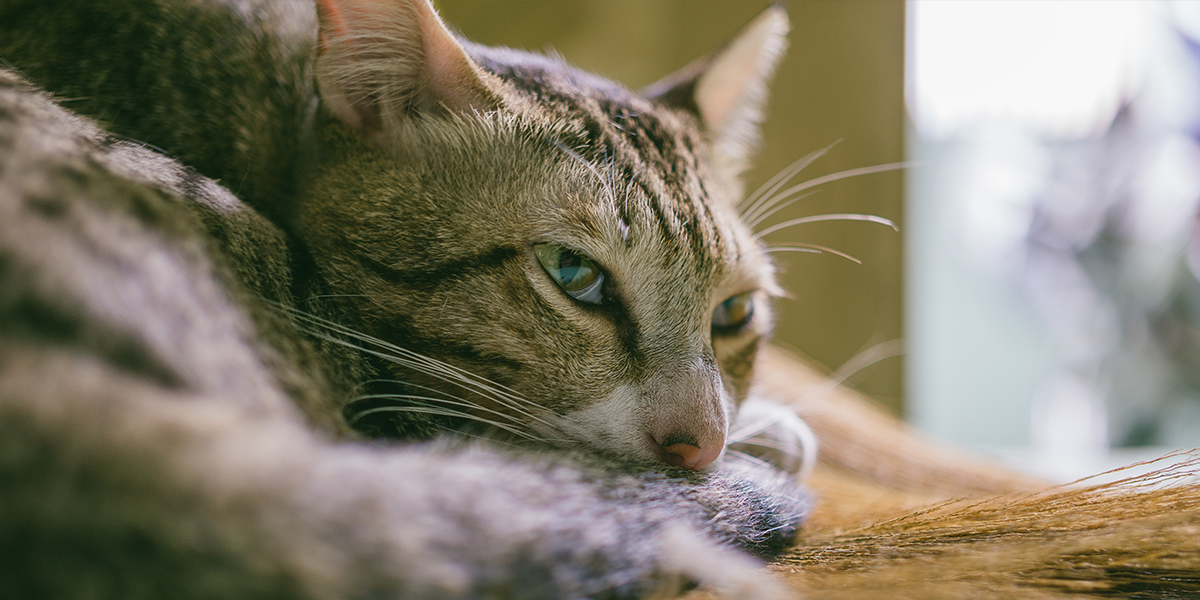
Chronic Upper Respiratory Tract Disease International Cat Care
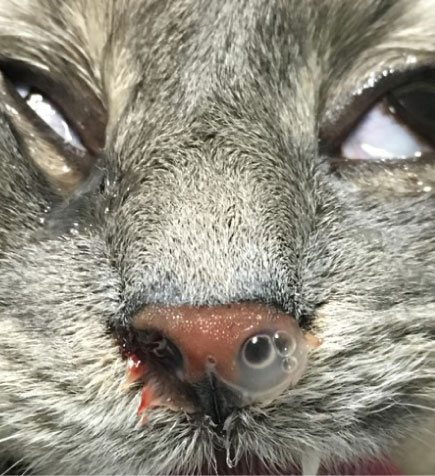
Idiopathic Chronic Rhinitis In Cats
My Cat Has A Swollen Nose Causes And Treatments

Sniffly Sneezy Snuffler Cats Grand Avenue Veterinary Center

Pin By Michele Rivera On We Are Siamese If You Please Siamese Cats Cats Siamese
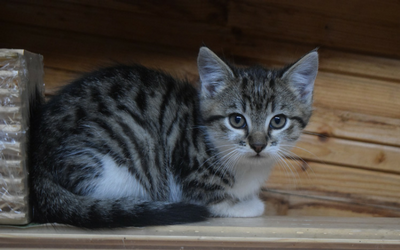
Nasal Polyps In Cats Vca Animal Hospital

Inflammatory Polyps In Cats The Cat Clinic

Our State Of The Art Technologies And Equipment Like Karl Storz Nasal With Hd Operating Cameras And Hitech Zeiss Sensera Micro Hospital Polyp Nasal Congestion
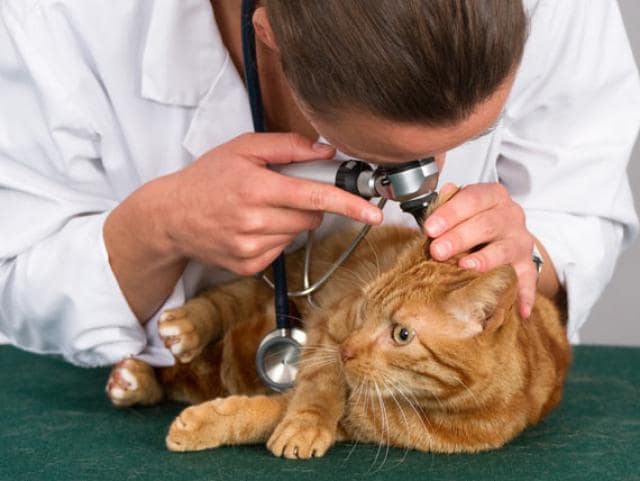
Nasopharyngeal Polyps In Cats Petmd
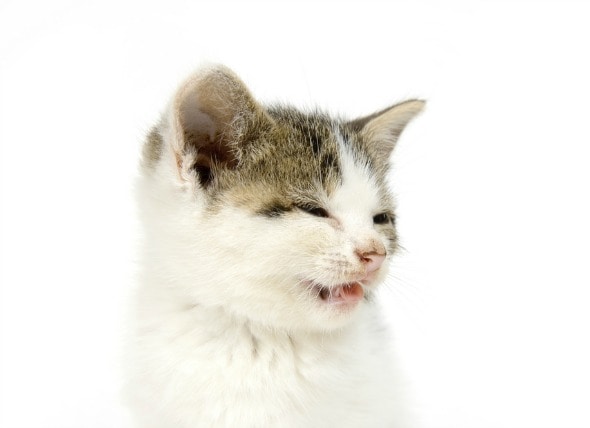
Sneezing Reverse Sneezing And Gagging In Cats Petmd
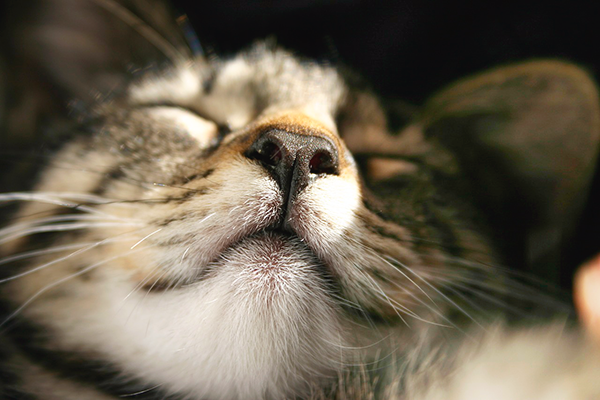
Nasal Cancer In Cats Petcure Oncology

Respiratory Problems Cats Bishops Stortford Vets

Inflammatory Polyps In Cats The Cat Clinic

Pin On Pet Ideas
5 Reasons Behind Cat Snoring Is It Normal

Respiratory Problems Cats Bishops Stortford Vets
Cat Ear Infections Causes And Symptoms Purina

Sniffly Sneezy Snuffler Cats Grand Avenue Veterinary Center

Post a Comment for "How Long Can A Cat Live With A Nasal Polyp"